
Flooring plays a major role in how a home or commercial property looks, feels, and performs every day. The right flooring can improve comfort, durability, maintenance, and overall property value, while poor installation can lead to uneven surfaces, premature wear, moisture problems, and costly repairs. Choosing a material is only one part of the process. Subfloor condition, room use, traffic levels, moisture exposure, and installation requirements all matter.
Professional flooring services help property owners make informed choices from preparation through final installation. Whether you need hardwood flooring installation, tile, stone, basement flooring, garage flooring tiles, or flooring repair, understanding the process can help you choose the right solution.
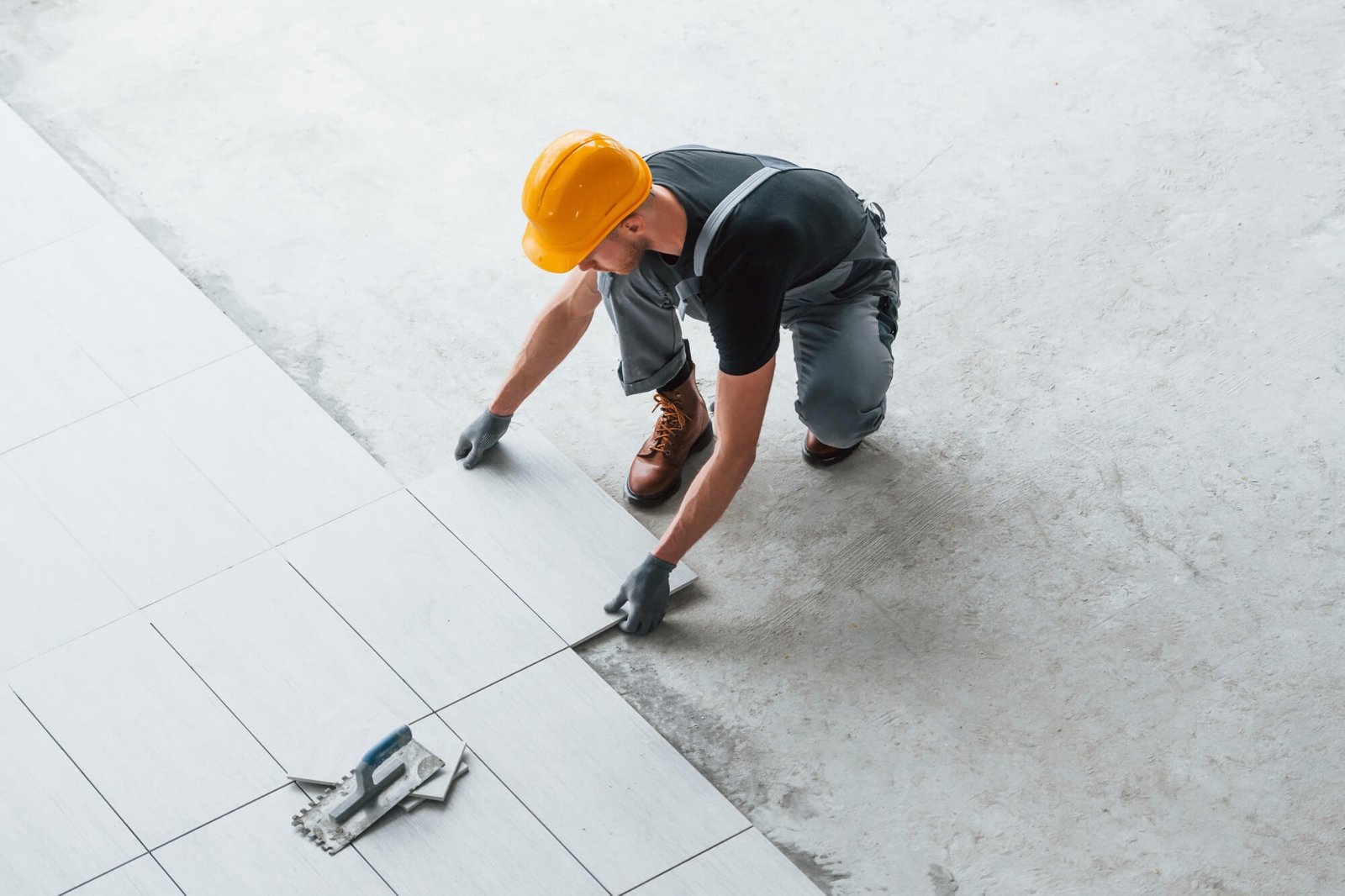
Your home should be comfortable, stylish, and functional, and high-quality flooring plays a key role in that. MonsterHandyman provides expert flooring services designed to enhance both the look and durability of your space. From installing hardwood, tile, and laminate to repairing or replacing existing floors, our skilled team ensures high-quality workmanship. We offer customized solutions tailored to your needs, improving aesthetics, durability, and overall value. Whether you’re upgrading a single room or renovating your entire home, MonsterHandyman delivers reliable and efficient services to transform your floors beautifully.
Choosing the Right Flooring for Your Property
There is no single flooring material that is best for every room or property. The right choice depends on how the area is used, how much moisture it receives, the amount of foot traffic, maintenance expectations, appearance preferences, and budget.
Hardwood is popular for dry interior spaces because of its natural appearance and long term appeal. Engineered hardwood offers a similar look with layered construction that can provide better dimensional stability. Tile works well in kitchens, bathrooms, entryways, and other areas where durability and easy cleaning matter. Stone can create a premium finish, while vinyl and laminate offer practical durability and simple maintenance.
Room conditions should always guide the final decision. A black floor tile may work beautifully in a modern kitchen or commercial interior, while moisture resistant products may be more suitable for a basement floor or utility area.
What Professional Flooring Installation Includes
Professional flooring installation involves more than placing new material over an existing surface. A qualified flooring installation contractor should evaluate the space, take measurements, inspect the substrate, and identify problems that could affect the finished floor.
A typical flooring installation service may include:
Different materials require different installation systems. Some products are nailed or stapled, while others are glued, floated, clicked together, or set in mortar. Professional flooring installation helps ensure that the selected method matches the product, substrate, and room conditions.
Hardwood, Engineered Hardwood and Specialty Flooring Installation
Hardwood flooring installation requires careful preparation because natural wood can respond to changes in temperature and moisture. The installer may need to evaluate the subfloor, confirm that the environment is suitable, and follow the manufacturer’s installation requirements before work begins. Depending on the product, hardwood may be nailed, stapled, or glued.
Engineered hardwood flooring installation can offer more flexibility because engineered boards are layered for improved stability. Installation requirements still depend on the product, so moisture conditions, underlayment, and subfloor preparation should not be ignored.
Parquet flooring installation requires additional attention to layout because the finished appearance depends heavily on pattern alignment and consistent spacing.
Tile and stone also require precise preparation. Stone flooring installation and tile projects may involve leveling, layout planning, mortar, grout, movement joints, and clean transitions. Installers should follow product and industry recommendations.
Flooring for Kitchens, Basements, Garages and Outdoor Areas
Different rooms create different flooring challenges. Kitchens experience frequent foot traffic, spills, food preparation, and regular cleaning, so durability and moisture resistance are important. Kitchen floor tile installation is a common choice because tile is available in many styles and can perform well when the substrate and installation system are suitable.
Basement flooring installation requires special attention to moisture. Basements may be located over concrete slabs, and moisture conditions can affect what products should be used. Basement floor tiles, vinyl, engineered materials, or other moisture appropriate products may be considered depending on the property. Existing water or moisture problems should be addressed before a new basement floor is installed.
Garage flooring tiles must handle a different type of use. Vehicle loads, dirt, temperature changes, moisture, and frequent cleaning can all affect material selection. Garage floor tile installation should use products designed for garage conditions rather than standard indoor finishes.
Outdoor tile installation also requires materials, adhesives, and installation systems that are rated for exterior exposure and local weather conditions.
Subfloor Preparation, Floor Leveling and Flooring Repair
A finished floor is only as reliable as the surface beneath it. Installing new material over a damaged, weak, or uneven subfloor can lead to movement, gaps, cracking, squeaks, or premature failure.
Subfloor repair may be necessary when sections are damaged by moisture, rot, impact, previous construction work, or long term wear. In some projects, localized repair is enough. In others, subfloor installation may be required before the new flooring can be placed.
Floor leveling services are also important when the existing surface has noticeable high spots, low spots, or irregular areas. The correct solution depends on the type of substrate and the flooring being installed.
Flooring repair may be a better option than full replacement when damage is limited to a specific area. A flooring handyman may be able to replace damaged boards, repair loose materials, fix transitions, or correct other localized issues. Handyman floor repair is most effective when the underlying cause of the damage is identified first.
Residential vs Commercial Flooring Installation
Residential flooring installation focuses heavily on comfort, appearance, lifestyle, and everyday maintenance. Families may need materials that can handle children, pets, spills, furniture movement, and changing design preferences. The best solution often balances visual appeal with practical durability.
Commercial flooring installation has different priorities. Offices, retail spaces, restaurants, and facilities may experience heavier traffic, rolling equipment, frequent cleaning, and stricter scheduling. Projects may also need to minimize downtime.
When choosing a flooring installation contractor, property owners should look for relevant experience, clear estimates, material knowledge, written scopes of work, references, warranties, and appropriate licensing or insurance where required. Professional flooring installation services should clearly explain what is included, what preparation is needed, and what conditions could affect the final cost or schedule.
Understanding a Flooring Installation Estimate
A flooring installation estimate depends on more than the price of the flooring material. Project size, removal work, substrate condition, room layout, stairs, transitions, installation method, and finishing requirements can all affect the total scope.
Common factors include:
A detailed estimate is more useful than a simple price per square foot because it shows what work is actually included. For larger or more complicated projects, an on site assessment can help identify hidden issues before installation begins.
Caring for Your New Flooring
Proper maintenance helps protect the appearance and performance of new flooring. Cleaning methods should always match the material and the manufacturer’s care recommendations.
Routine dust removal, prompt spill cleanup, furniture pads, and suitable cleaning products can reduce unnecessary wear. The best floor cleaner is not the same for every surface. A cleaner designed for tile may not be appropriate for hardwood, natural stone, or specialty finishes, so product specific guidance should be followed.
What type of flooring is best for a home?
The best flooring depends on the room, moisture exposure, traffic, maintenance expectations, style preferences, and budget. Different rooms may require different materials.
How long does professional flooring installation take?
Installation time depends on project size, material type, preparation needs, repairs, room layout, and the installation method required for the selected product.
Do I need subfloor repair before installing new flooring?
Subfloor repair may be needed if the surface is damaged, loose, uneven, affected by moisture, or unable to support the new flooring system.
What flooring works best for a basement?
Basement flooring should be selected according to moisture conditions, slab condition, room use, and product requirements. Existing water problems should be corrected first.
Can damaged flooring be repaired instead of replaced?
Yes, localized damage can often be repaired when the surrounding flooring and subfloor remain in good condition. Widespread damage may make replacement more practical.
How do I get an accurate flooring installation estimate?
Provide accurate measurements, material preferences, existing floor details, and information.
MonsterHandyman offers professional flooring services to enhance the comfort, style, and durability of your home. Our skilled team handles everything from minor repairs to full floor installations, using high-quality materials and techniques. We provide reliable, precise, and long-lasting solutions tailored to your needs, keeping your floors modern, durable, and beautifully finished year-round.